

Last Updated on October 14, 2026 by Syed Sarim Naqvi
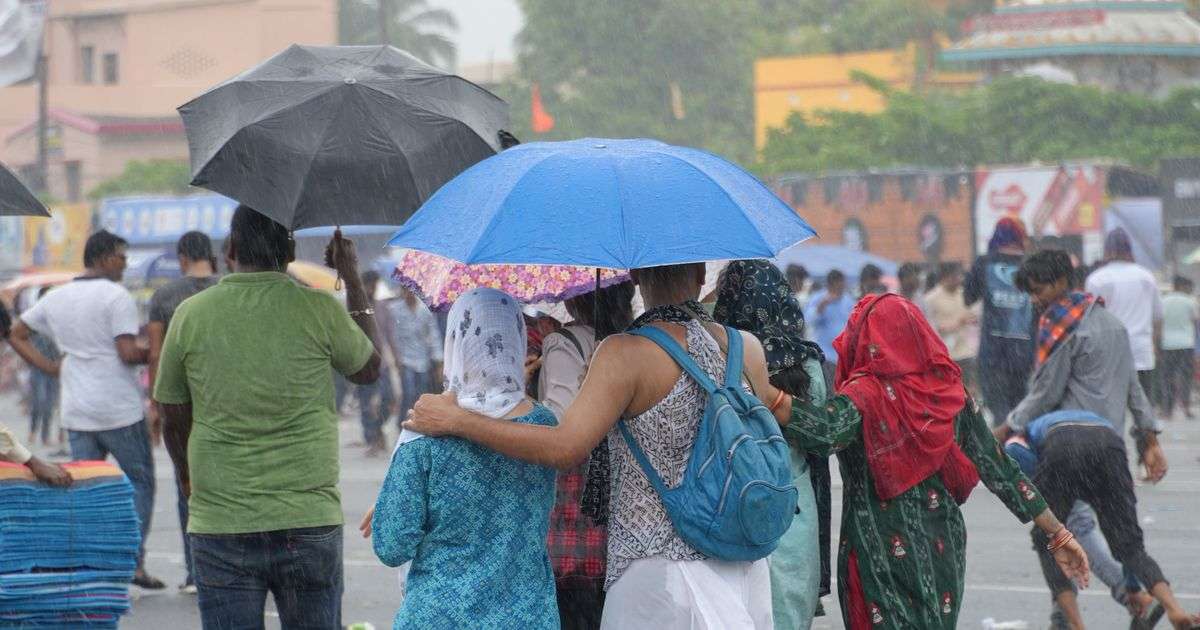
Rain insurance, also called event weather insurance, is a policy that pays out when measured rainfall at your event location crosses a threshold you choose during hours you specify, whether or not the event goes ahead. Unlike event cancellation insurance, it usually works like a bet on the weather data, not a claim for proven losses.
Key Takeaways
- Most rain policies are parametric: a recorded rainfall total triggers the payout, with no adjuster or proof of loss required by several providers
- Typical cost guidance is about 2% to 10% of the amount insured for a one-day event, with one festival specialist citing 6% to 10%
- Published thresholds include 0.10, 0.25, 0.33 and 0.5 inches, and a lower threshold costs more
- Rainfall is measured by a third party, such as certified past weather reports, NOAA data or an on-site observer
- Rules on how late you can buy differ by provider, from about 7 to 15 days before the event, so check before you plan
What Is Rain Insurance?
Rain insurance protects event organizers and businesses against revenue lost or costs wasted because of bad weather. Spectrum Weather Insurance describes it as a policy that pays if rainfall exceeds a predetermined threshold during a specified window, which separates it from general liability cover that deals with lawsuits and injuries.
How Does a Rain Policy Pay Out?
You choose the hours you need covered, the rainfall threshold and the coverage amount. If the recorded rain meets the trigger, you are paid. Eventsured’s example: a fundraising banquet with a 0.25 inch threshold between 4pm and 9pm triggered when a storm hit, and the payout covered tent and flooring costs. It notes another example where a film shoot exceeded a 0.33 inch threshold between 7am and 5pm.
| Feature | Rain / Weather Insurance | Event Cancellation Insurance |
|---|---|---|
| Trigger | Recorded rainfall crosses a threshold | Event is cancelled or postponed for a covered reason |
| Must the event be cancelled? | No | Yes |
| Claim process | Often none: no adjusters or proof of loss, per some providers | Documentation and proof of loss required |
| Payout speed | Often within days of confirmation | Weeks to months |
What Types of Rain Cover Exist?
- Cumulative rainfall: a claim if total rain exceeds a chosen amount, such as a quarter or half inch, over the covered period
- Stepped cover: up to three rainfall levels with different insured amounts, according to TSE Entertainment
- Dual-period cover: separate coverage windows within the same event, also described by TSE
- Hours-based triggers: some policies pay if rain falls for a set number of hours regardless of the amount
How Much Does Rain Insurance Cost?
Pricing reflects the statistical chance that your chosen weather event occurs at your location and date. EventInsuranceQuote says one-day weather insurance usually costs 2% to 10% of the amount insured, and TSE says a one-day outdoor festival is typically 6% to 10%. Insured Better gives a simple example: $50,000 of coverage will likely cost between $1,000 and $5,000. Eventsured’s published scenarios show premiums of $970 to $3,845 against $50,000 of exposure. Vortex Weather Insurance notes that lower thresholds and higher limits cost more, and that you can often lower the price by choosing a higher, more extreme trigger.
- Location and season: rainy regions and seasons cost more
- Threshold: 0.10 inch can hurt a racing event but not a rock concert crowd, so choose what actually damages your revenue
- Coverage hours and amount: longer windows and bigger limits cost more
How Is Rainfall Measured?
Providers use independent data. Vortex says it uses certified past weather reports from WeatherWorks recorded by the hour, CoverMyConfetti says it uses NOAA data, and Spectrum describes dispatching a third-party meteorologist or weather observer to the event in some cases. Whatever method applies, the key question is whether the station is close enough to your venue.
When Should You Buy?
Rules vary. Spectrum says coverage can be purchased as close as seven days before an event, though prices change with the forecast. An older EventInsuranceQuote page says coverage had to be in place 15 days before. Check your provider’s current cut-off rather than assuming.
How Does Weather Cover Connect to Celebrity Insurance?
It is the same family of “contingency” products: price an uncertain event, cap the payout and sell the risk. Compare it with Event Cancellation Insurance Explained and the prize-based version in Hole-in-One Insurance Explained. For a more personal example, see Wedding Insurance Explained.
FAQ
What is rain insurance?
A policy that pays when recorded rainfall at your location meets a threshold during specified hours, protecting event revenue and costs.
Do I have to cancel the event to get paid?
Not under a parametric rain policy. It can pay even when the event still takes place, according to Vortex and others.
How much does it cost?
Guides cite about 2% to 10% of the insured amount for a one-day event, depending on location, date and threshold.
What rainfall threshold should I choose?
One that would actually hurt your event. Lower thresholds, such as 0.10 inch, trigger more often and cost more.
Can I buy it at the last minute?
Sometimes. One provider says up to seven days before, but others require earlier purchase, and prices follow the forecast.
Is it only for outdoor events?
No. Insured Better notes it can cover indoor events too, since bad weather can still affect attendance.
Glossary
- Parametric Insurance: pays when a measured event reaches a preset level.
- Threshold: the rainfall amount that triggers the payout.
- Cumulative Rainfall: total rain over the covered period.
- Stepped Cover: multiple thresholds with different payouts.
Sources
- TSE Entertainment: Outdoor Music Festival or Concert Insurance (coverage types, 6% to 10% cost)
- Eventsured: Rain Insurance (scenarios, thresholds, premiums)
- Spectrum Weather Insurance: Event Weather Insurance (definition, purchase timing, observers)
- Insured Better: Rain Insurance and Event Weather Insurance ($50,000 example, indoor events)
- Vortex Insurance: Event Rain Insurance (parametric comparison, payout speed)
- Vortex Insurance: How Rain Insurance Pricing Works (pricing factors, data source)
- EventInsuranceQuote: Weather Insurance (2% to 10% range, hours-based triggers)
- CoverMyConfetti: Rain Insurance (thresholds, NOAA data)
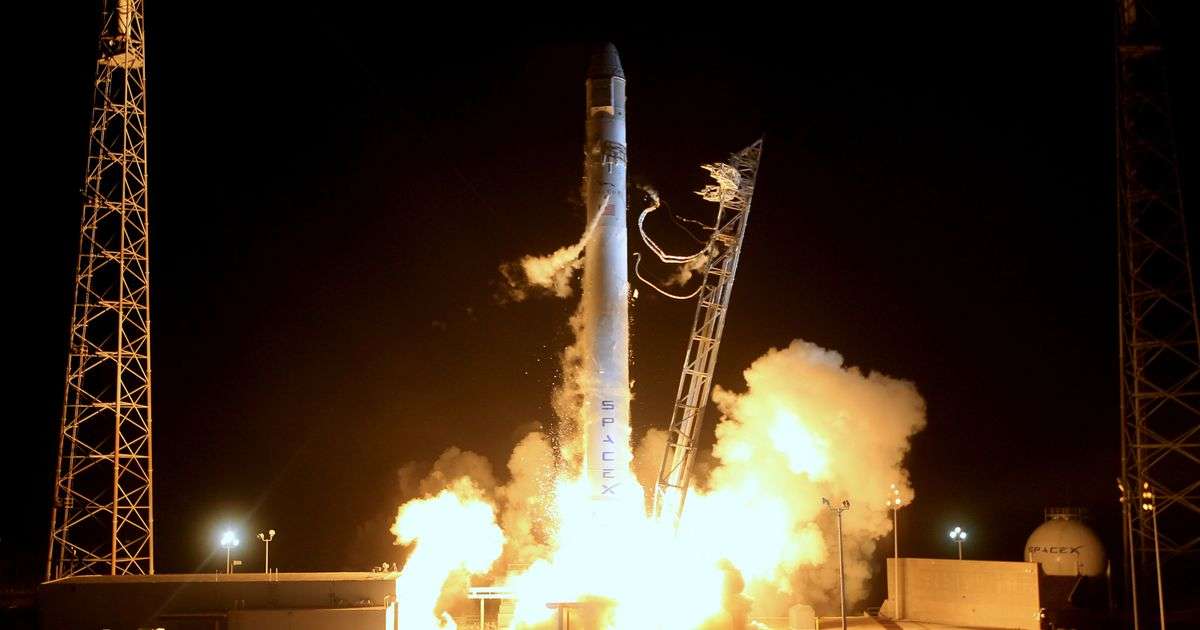
Related reading: Film Cast Insurance Explained · Space and Satellite Launch Insurance Explained
Published October 2026. Prices, thresholds and purchase deadlines vary by provider; confirm current terms and refresh this article periodically.











Leave a Reply