

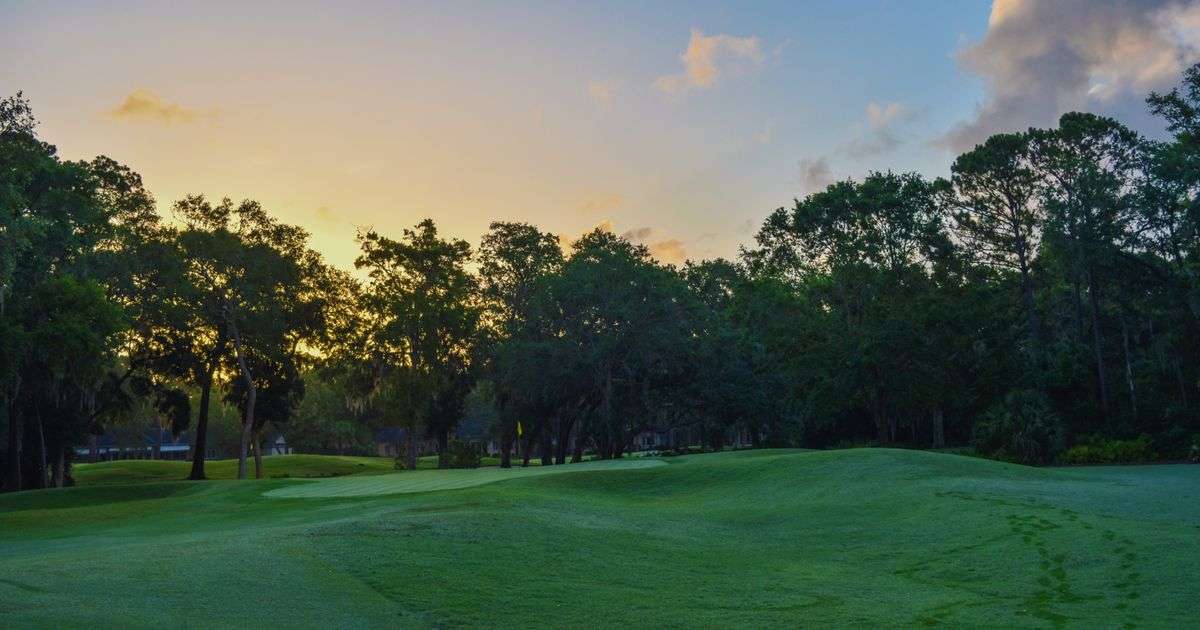
Hole-in-one insurance is a form of prize indemnity insurance that reimburses a golf tournament sponsor for the cost of a prize, such as a car or $1 million, if a player makes an ace on the insured hole. It works because a hole-in-one is statistically rare, so insurers can sell a small premium against a very large prize.
Key Takeaways
- Hole-in-one cover is the best-known branch of prize indemnity (contingency) insurance, which covers any promotion offering a big prize
- Premiums depend on the prize value, the number of golfers and the hole’s yardage, and are often a few hundred dollars
- One provider cites average odds of an amateur sinking a hole-in-one at about 12,500 to 1, versus 2,500 to 1 for professionals
- Typical quotes range from about $115 up to $1,000 or more, depending on the event [VERIFY with a live quote]
- Policies set strict rules: which holes are insured, how the ace is verified and what happens if it occurs elsewhere
What Is Hole-in-One Insurance?
If someone makes a hole-in-one during a contest at a golf tournament, hole-in-one insurance covers the prize, whether cash, a new car or a vacation. The organizer or sponsor pays a premium upfront, and if a participant makes a valid ace, the policy funds the prize. That lets charities and sponsors advertise a huge prize without carrying the risk.
How Does the Process Work?
- A tournament decides to offer a prize, for example a $60,000 car, for an ace on a chosen hole
- The sponsor pays a relatively small fee to a hole-in-one insurer
- If someone makes the shot and it is verified, the insurer covers the prize
According to The Hustle, the price depends on three things: the number of golfers, the cash value of the prize and the difficulty of the hole. Its example is a standard tournament with 100 golfers on a 165-yard hole with a $10,000 prize, costing about $235 to insure.
| Factor | Effect on Premium |
|---|---|
| Prize value | Larger prizes cost more to insure |
| Number of golfers | More participants means more chances of an ace |
| Hole yardage | Longer holes are statistically harder to ace, which lowers the premium |
| Skill of participants | Pros are more likely to ace than amateurs |
How Likely Is a Hole-in-One?
Odds matter because the whole business is built on them. DOXA, a hole-in-one insurance program, states the odds of an amateur golfer making a hole-in-one at 12,500 to 1 and a professional at 2,500 to 1. Those numbers let insurers price a $10,000 prize for a few hundred dollars.
What Happens When Someone Actually Wins?
The Hustle recounts a case in which a tournament sponsored by Morgan Auto Group bought cover and the winning shots cost the insurer about $300,000. Contracts typically spell out rules such as which holes are insured, how the ace is verified and what to do if a contestant makes the shot on an uninsured hole. Providers like Coast to Coast Hole in One describe a process in which the shot is witnessed, verified by the provider and the payout issued according to the policy.
[YOUR EXPERIENCE/CASE STUDY HERE: if you know a tournament organizer who bought this cover or paid out a prize, add their story.]How Much Does It Cost?
- American Hole ‘n One says costs can be as little as $115
- DOXA cites an average contract of about $400, including everything needed to run the contest
- The Hustle cites sponsor fees of $200 to $1,000 or more depending on the event
What Is Prize Indemnity Insurance Beyond Golf?
Hole-in-one is only one facet of prize indemnity insurance, which covers any promotional event offering a large prize. The Hustle describes a sister company covering stranger promotions, including odds-based ones such as a sports team winning a game. Aviva Canada, for example, began offering hole-in-one cover to tournament sponsors in March 2007.
This is the same logic behind several oddities in our 10 Strangest Insurance Policies Lloyd’s of London Has Written: when an outcome is unlikely and can be priced, someone will insure it.
FAQ
What does hole-in-one insurance cover?
The cost of the prize, such as cash, a vehicle or a trip, if a golfer makes a valid hole-in-one on the insured hole.
How much does it cost?
Published figures range from about $115 to $1,000 or more, with one provider citing an average contract of around $400.
What are the odds of a hole-in-one?
One program cites roughly 12,500 to 1 for amateurs and 2,500 to 1 for professionals.
Does a longer hole cost less to insure?
Generally yes, because longer holes are statistically harder to ace, which lowers the premium.
Is it only for golf?
No. It is one type of prize indemnity insurance, which also covers other contests and promotions with large prizes.
What if the ace happens on a different hole?
The contract specifies which holes are insured and what happens otherwise, so check the rules before the event.
Glossary
- Prize Indemnity Insurance: cover for the cost of a large promotional prize.
- Contingency Insurance: insurance against an uncertain event or outcome.
- Ace: a hole-in-one.
- Premium: the upfront fee paid for cover.
Author Bio
[AUTHOR BIO PLACEHOLDER: add your name, credentials and a professional profile link here.]Sources
- The Hustle: The Strange Business of Hole-in-One Insurance (pricing example, $300,000 payout, prize indemnity)
- DOXA: Hole-in-One Insurance Program (odds and average cost)
- American Hole ‘n One: How Hole in One Insurance Works (quote inputs, low-end price)
- Coast to Coast Hole in One: How It Works (verification and payout process)
- Wikipedia: Prize Indemnity Insurance (contract rules, cost variables)
- Wikipedia: Aviva Canada (2007 launch of hole-in-one cover)
- EsportsInsurance: Insurance for Golf Tournaments (premium factors)
Related reading: Event Cancellation Insurance Explained · Zombie Apocalypse, Virgin Birth and Loch Ness Monster Insurance
Published October 2026. Odds and prices vary by provider and event; confirm with a specialist and refresh this article periodically.












Leave a Reply