

Last Updated on September 14, 2026 by Syed Sarim Naqvi
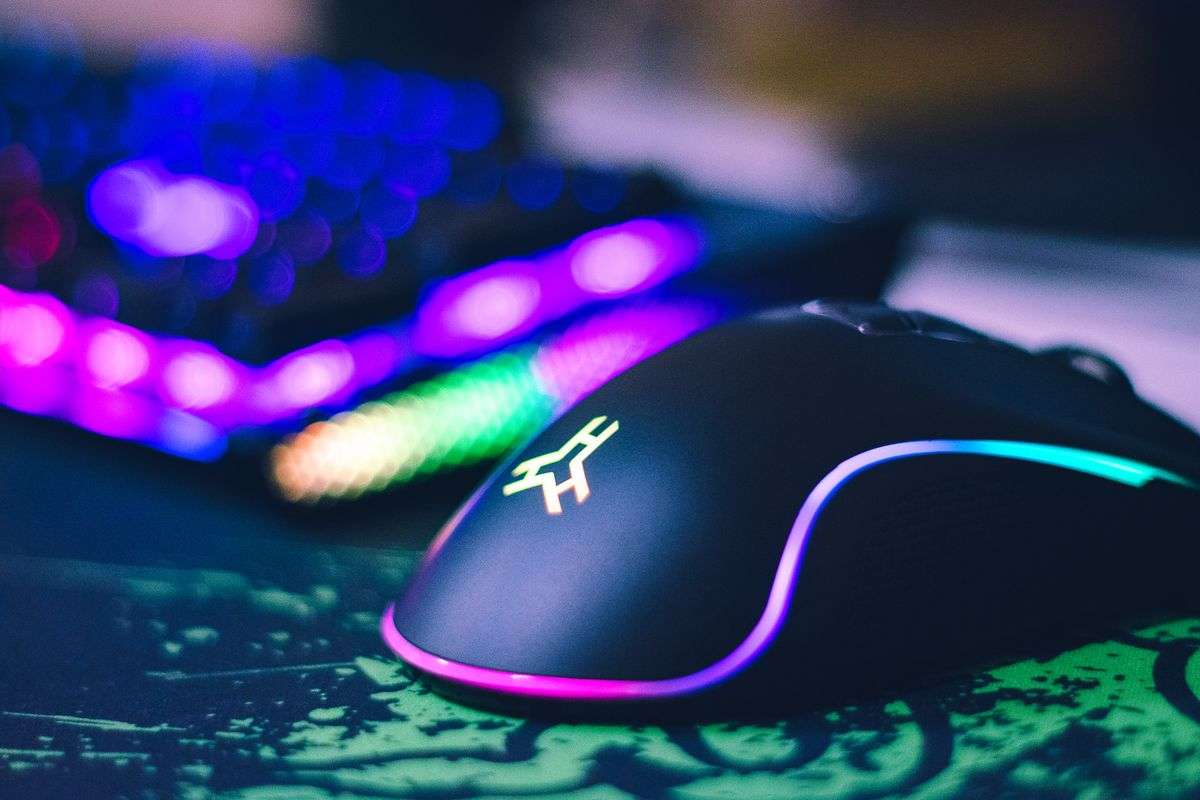
Quick answer: Yes — professional esports players are increasingly turning to specialty insurance for the exact body parts their careers depend on: hands, wrists, and eyes. Unlike traditional athletes, their biggest threat isn’t a tackle or a crash — it’s years of repetitive strain from thousands of hours at a keyboard and mouse.
Table of Contents
- The Real Injury Risk Behind Pro Gaming
- What Esports Insurance Actually Covers
- Real Cases: Careers Ended by Repetitive Strain
- The Coverage Gap Most Players Still Face
- FAQ
The Real Injury Risk Behind Pro Gaming
It sounds like a joke until you look at the medical reports: professional gamers routinely develop tennis elbow, trigger finger, tendinopathy, and carpal tunnel syndrome from the sheer repetition of competitive play. Some players have also reported deteriorating eyesight after years of extended screen exposure during training blocks that can run 8–12 hours a day.
- Carpal tunnel syndrome — the single most commonly reported complaint among top-tier players.
- Tennis elbow and tendinopathy — from repetitive clicking and keyboard use.
- Trigger finger — a locking of the finger joint from overuse.
- Vision strain — some players have taken months off on doctors’ orders to rest deteriorating eyesight.
What Esports Insurance Actually Covers
A handful of specialty insurers now offer esports-specific policies, typically built around three components:
| Coverage Type | What It Protects | Who Needs It |
|---|---|---|
| Personal accident / disability | Lost income if hand, wrist, or vision injury ends a career | Individual pro players |
| Equipment coverage | Gaming rigs, peripherals against damage or theft | Players and teams |
| Cyber/liability insurance | Data breaches, cyberattacks on teams and orgs | Esports organizations |
Notably, dedicated “thumb” or “hand” insurance products built specifically for gamers are still rare — most players are instead pushed toward general disability insurance policies that weren’t originally designed with 12-hour gaming sessions in mind.
Real Cases: Careers Ended by Repetitive Strain
This isn’t hypothetical. Multiple high-profile esports careers have been cut short by exactly these injuries:
- A former League of Legends pro’s competitive career reportedly ended after a wrist injury that made it impossible to keep pace with teammates’ practice schedules, pushing him into a front-office role instead.
- A top Dota 2 player has publicly discussed skipping matches due to tennis elbow flare-ups during tournament season.
- Players competing in The International — Dota 2’s marquee tournament with one of the largest prize pools in esports — have described eyesight problems serious enough that doctors recommended months away from screens.
The Coverage Gap Most Players Still Face
Unlike NFL or football players, most professional gamers don’t automatically receive insurance through their team or league. That means an injury that ends a competitive career can also end the income that came with it overnight, with no safety net — a sharp contrast to the union-negotiated disability protections traditional pro athletes take for granted.
This is the same underlying insurance logic we cover in our piece on sports stars who insured their bodies for millions — the difference is that esports, as a newer industry, simply hasn’t caught up on infrastructure yet.
FAQ
Do esports teams provide insurance for their players?
It varies widely and isn’t standardized. Larger, well-funded organizations increasingly offer some coverage, but many players — especially those without an established team — have no employer-provided protection at all.
What’s the most common esports-related injury?
Carpal tunnel syndrome is the most frequently reported complaint among professional players, alongside tennis elbow and general repetitive strain issues.
Is there insurance specifically for a gamer’s hands, like there is for a guitarist’s?
Not yet as a standardized product. Most players rely on general disability or personal accident insurance rather than a dedicated “hand policy,” though specialty insurers are increasingly building esports-specific products as the industry matures.
Sources & Further Reading
- Policygenius — Do E-Sports Players Need Long-Term Disability Insurance?
- Gulf News — Gamers risk health in bid to be eSports millionaires
- MFE Insurance — What Types of Insurance Does an eSports Team Need?
- SmartFinancial — Esports Insurance: The Best Coverage for Gamers
Related reading on our site: Sports Stars Who Insured Their Bodies for Millions · 10 Hidden Secrets of Body-Part Insurance Underwriting









Leave a Reply