

Last Updated on October 10, 2026 by Syed Sarim Naqvi
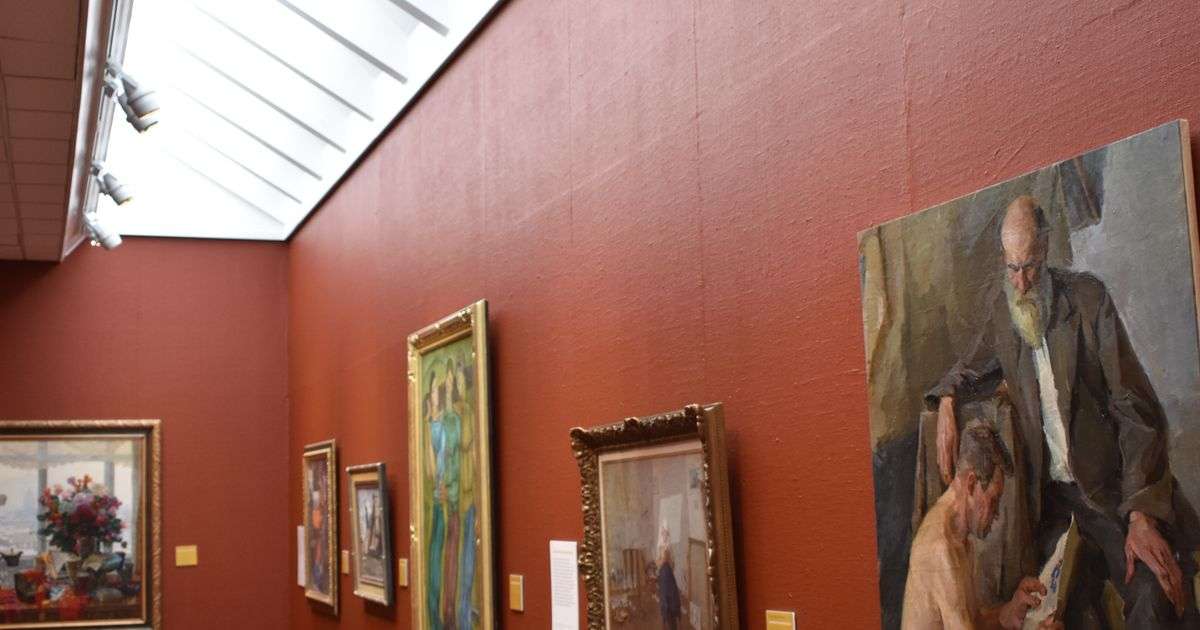
Fine art insurance is a specialty policy that protects paintings, sculptures, antiques and collectibles against theft, fire, accidental damage and transit loss, usually paying an agreed value set in advance rather than a depreciated cash value. It exists because a standard homeowners policy typically caps or excludes high-value art, leaving collectors exposed exactly where their risk is greatest.
Key Takeaways
- Fine art policies are normally written as scheduled (agreed value) or blanket (market value) coverage
- Published premium estimates vary widely by insurer, from roughly 0.2% to 2% of insured value per year, and some brokers quote up to 5% for scheduled cover [VERIFY exact rate with a current quote]
- Transit damage is cited by industry reports as responsible for up to 50% of fine art claims
- Most insurers want a professional appraisal for any single work above roughly $5,000–$10,000
- Appraisals go stale: schedule a refresh every three to five years, or sooner if the artist’s market moves
What Is Fine Art Insurance?
Fine art insurance is specialized coverage designed to protect valuable artwork from risks that a standard homeowners policy excludes or limits. A dedicated policy is usually “all-risk,” meaning it covers any cause of loss that is not specifically excluded, including theft, fire, water damage, accidental breakage and damage while the work is being moved or exhibited.
Why Doesn’t Homeowners Insurance Do the Job?
Homeowners policies usually carry low sub-limits for “valuables,” narrow definitions of covered loss, and deductibles that make little sense for a six-figure painting. Specialist art policies address these gaps as standard: agreed value, worldwide protection that follows the work, transit coverage, and exhibition coverage for loaned pieces.
Scheduled vs. Blanket Coverage: Which Should You Choose?
This is the single most important structural decision a collector makes, and the two options behave very differently at claim time.
| Feature | Scheduled (Agreed Value) | Blanket (Market Value) |
|---|---|---|
| How it works | Each work is itemized with a pre-agreed value | One overall policy limit covers the collection |
| Payout at total loss | The scheduled amount, regardless of market movement | Current market value at time of loss, up to the limit |
| Best for | Stable collections with well-documented values | Active collectors who frequently buy and sell |
| Main risk | Value can fall short of market if the artist’s prices rise | Extra work to prove current market value after a loss |
| Admin burden | Must add and remove items as the collection changes | Lower; new acquisitions fall under the limit |
How Is Art Valued for Insurance?
Insurers generally establish an agreed value in one of four ways: a current independent appraisal from a qualified specialist, recent comparable auction results for the artist and work type, a documented purchase price for a recent acquisition, or dealer certification for works with an established market.
What Kind of Appraisal Is Needed?
For insurance purposes, retail replacement value appraisals are generally preferred because they reflect what it would cost to replace the work in today’s market, not what you originally paid. Appraisers who follow the USPAP professional standard are the usual benchmark.
How Do Emerging Artists Value Their Own Work?
Artists with a sales history are commonly valued at the retail price minus a typical 30% gallery commission, since that net figure is what the artist would actually have received. Artists without sales history typically document materials, framing, creation time and comparable listings, according to guidance published by Protecting Art Nationwide (2026).
[YOUR EXPERIENCE/CASE STUDY HERE: if you know a collector, gallery or artist who has been through an art insurance claim, add their first-hand experience for credibility.]How Much Does Fine Art Insurance Cost?
Published figures differ, which is itself useful to know. One broker guide puts premiums at 1% to 2% of appraised value annually. Another quotes scheduled coverage at 1% to 5%. A third estimates $200 to $500 per year for every $100,000 insured, which works out to 0.2% to 0.5%. The honest answer is that no standard rate exists; pricing depends on the insurer and the factors below.
- Total and per-piece value: a single multi-million-dollar painting is a different risk than dozens of modest works
- Medium and fragility: works on paper and unframed canvases cost more to insure
- Location and security: high-crime areas raise rates; monitored alarms and climate control lower them
- Claims history: prior losses push premiums up
- Artist market activity: artists with very active secondary markets are more attractive theft targets
Why Does Transit Matter So Much?
Industry reports cited by insurance brokers attribute as much as half of all fine art claims to damage in transit. That is why specialist policies treat shipping, handling and exhibition loans as core coverage rather than add-ons, and why insurers expect proper crating and professional art handlers.
How Does This Connect to Celebrity and Body-Part Insurance?
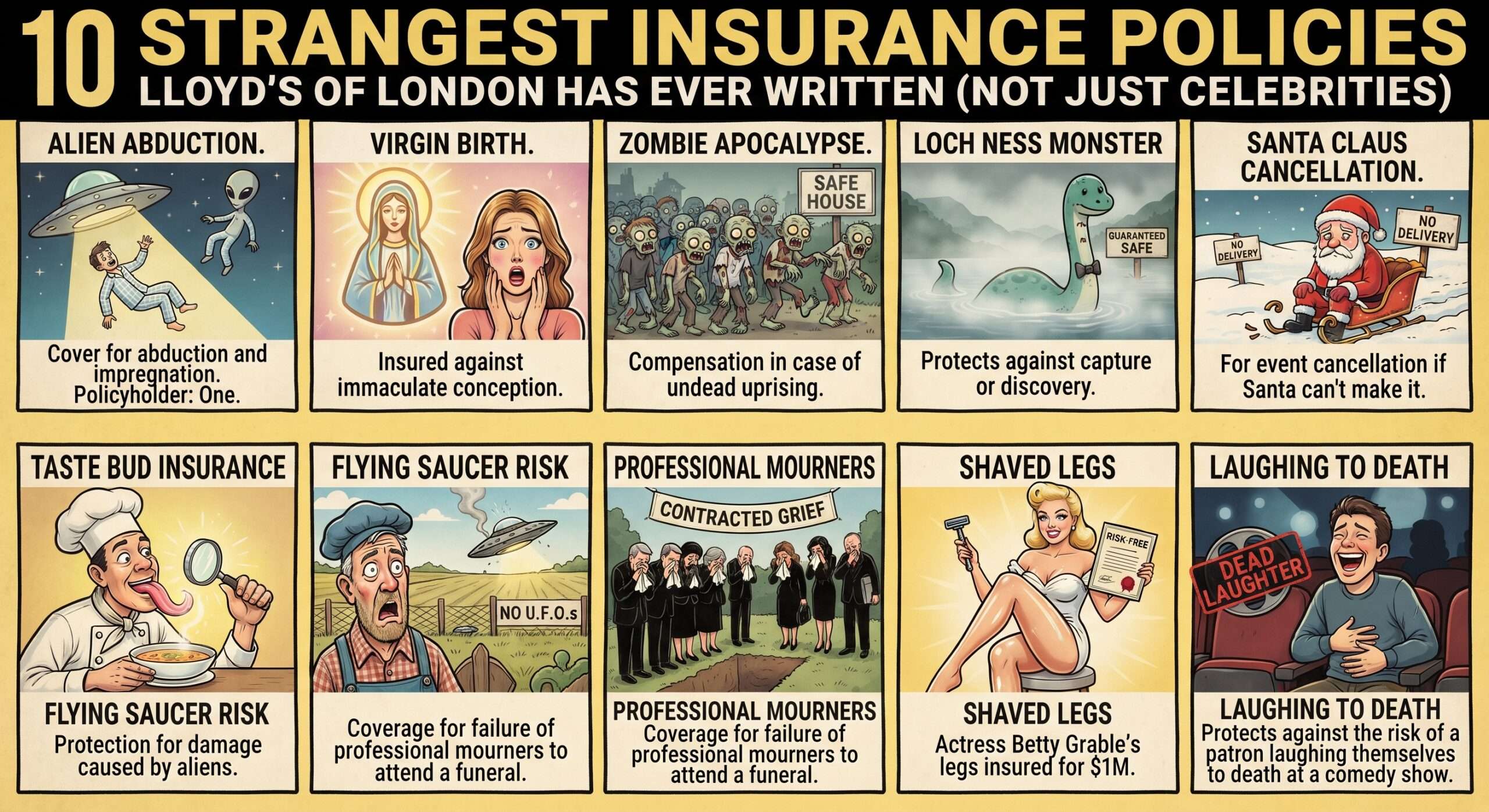
Insuring a painting and insuring a famous voice follow the same underlying logic: identify an asset that is hard to replace, agree on a value, and price the risk of losing it. The difference is that art can be appraised against auction records, while a body part has to be valued against future income. We explain that income-based approach in How Celebrity Body Parts Insurance Actually Works, and the stranger corners of the same market in 10 Strangest Insurance Policies Lloyd’s of London Has Written.
FAQ
Does homeowners insurance cover valuable art?
Usually only to a limited extent. Sub-limits, narrow coverage and high deductibles mean serious collectors typically need a specialty fine art policy or a scheduled rider.
What is the difference between agreed value and actual cash value?
Agreed value pays the amount stated on the policy with no depreciation. Actual cash value reduces the payout for depreciation, which is generally a poor fit for art that may be appreciating.
Do I need an appraisal to insure art?
Most standalone insurers require a professional appraisal for any single work above roughly $5,000 to $10,000. For lower-value pieces, a purchase receipt or auction record may be enough.
How often should I update my appraisals?
Industry guidance suggests every three to five years, and sooner if the artist’s market has moved significantly, because an outdated appraisal can leave you underinsured.
Does fine art insurance cover works in transit?
Specialist policies usually do, and transit is one of the main reasons collectors buy them. Standard homeowners policies rarely cover shipping or exhibition loans adequately.
Can I lower my premium?
Yes. Monitored alarms, fire suppression, climate control, secure storage and a clean claims record are all commonly rewarded with better rates, and higher deductibles reduce cost too.
Glossary
- Scheduled Coverage: a policy that lists each artwork with its own agreed value.
- Blanket Coverage: a policy with one overall limit, paying current market value at loss.
- Agreed Value: the pre-set payout amount, not reduced by depreciation.
- Provenance: the documented ownership history of a work, important for valuation and claims.
- Retail Replacement Value: what it would cost to buy a comparable work today.
Author Bio
[AUTHOR BIO PLACEHOLDER: add your name, credentials and a professional profile link here.]Sources
- FirstMark Insurance Group: How to Insure Fine Art and Collectibles (scheduled vs. blanket coverage, appraisal refresh cycle)
- Lopriore: Fine Art Insurance Guide (premium range, transit claims share)
- FindArtInfo: How to Insure Your Art Collection (cost per $100,000 and appraisal thresholds)
- Harbour Insurance: How Much Does Art Insurance Cost? (agreed value methods, why homeowners policies fall short)
- Protecting Art Nationwide: How Emerging Artists Value Art for Insurance (2026) (net-of-commission valuation)
- Hub International: Insuring Your Art Collection (valuation approaches)
Related reading: Kidnap and Ransom Insurance Explained · Racehorse Insurance Explained
Published September 2026. Premium ranges differ by source and change over time; always obtain a current quote from a specialist broker, and refresh this article periodically.












Leave a Reply