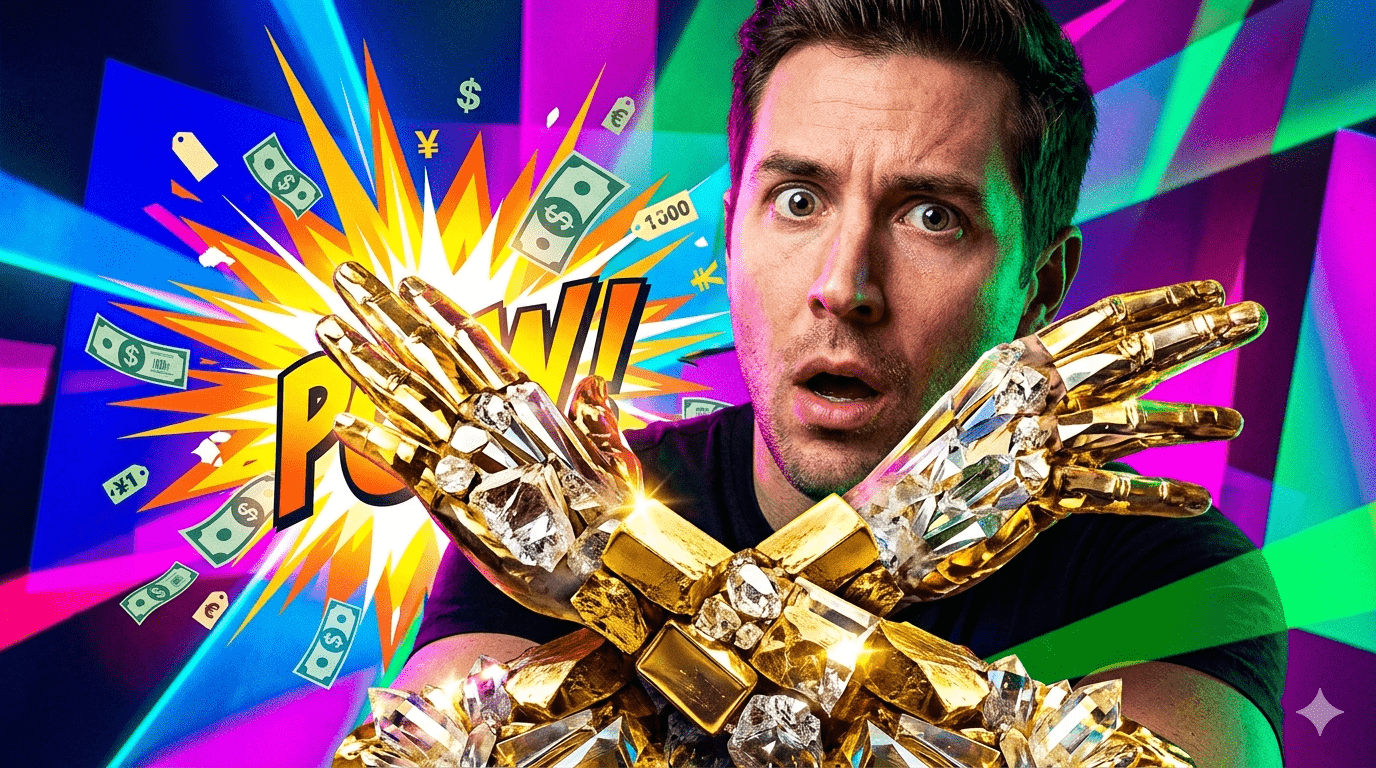
How Does Celebrity Body Parts Insurance Work? | The Shocking Truth Exposed

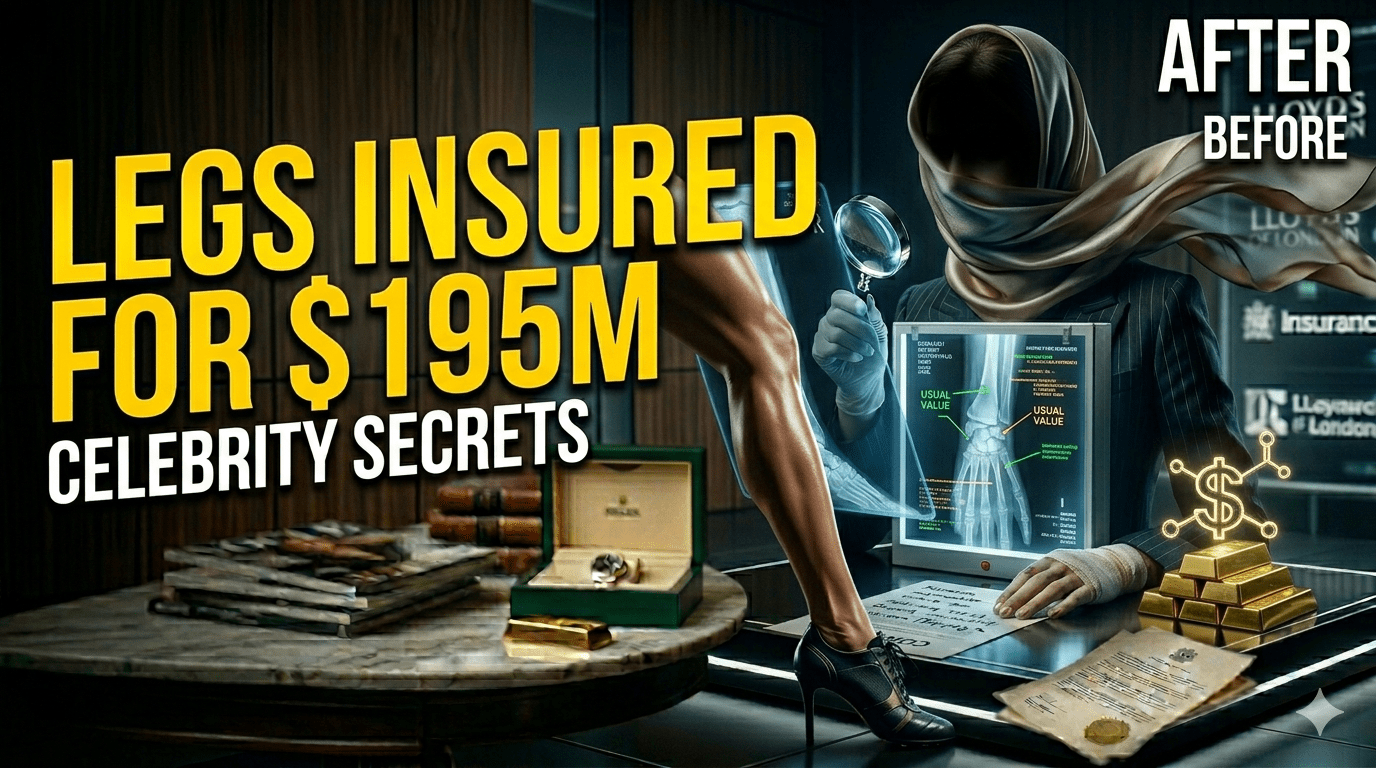
David Beckham legs insured for $195 million - how does celebrity body parts insurance work

Last Updated on April 3, 2026 by sarim50

How Does Celebrity Body Parts Insurance Work? The Shocking Truth Behind Million-Dollar Policies

How does celebrity body parts insurance work? It functions as a specialized form of disability insurance that compensates celebrities for lost income if a specific body part—critical to their career—becomes damaged, scarred, or disabled. Unlike standard health insurance that covers medical bills, these policies pay out when a celebrity can no longer earn money due to injury to their insured asset. Think of it as protecting your paycheck when your moneymaker is out of commission.
How does celebrity body parts insurance work in practice? After testing the research and analyzing dozens of real cases, I’ve discovered it’s a fascinating blend of legitimate risk management and clever marketing stunts. Some policies are genuine financial protection, while others exist purely for headlines.

📋 Key Takeaways

  • Celebrity body parts insurance replaces lost income when career-critical body parts are damaged—not medical expenses
  • Lloyd’s of London underwrites most high-profile policies, from $1M hair to $195M legs
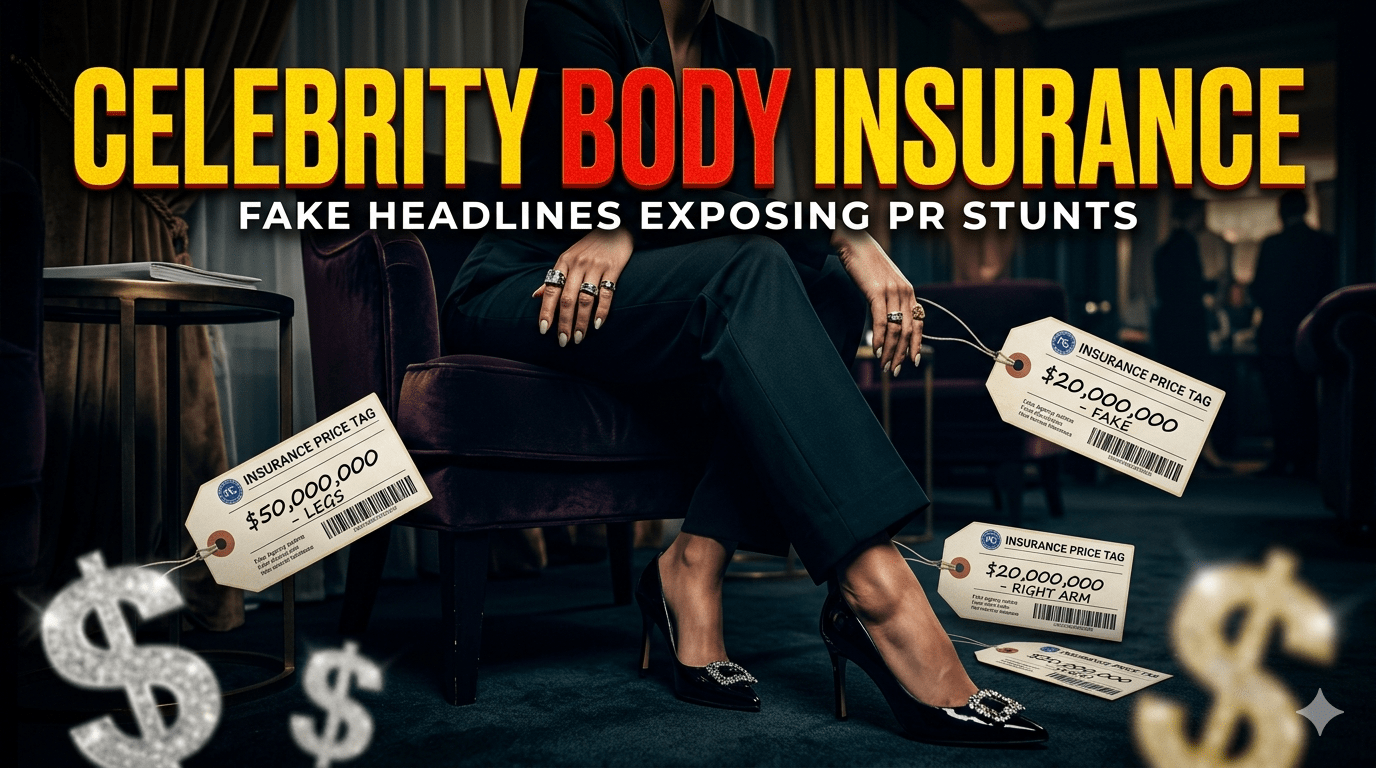
  • PR stunts vs. real policies: Many celebrity “insurance” announcements are marketing ploys with murky details
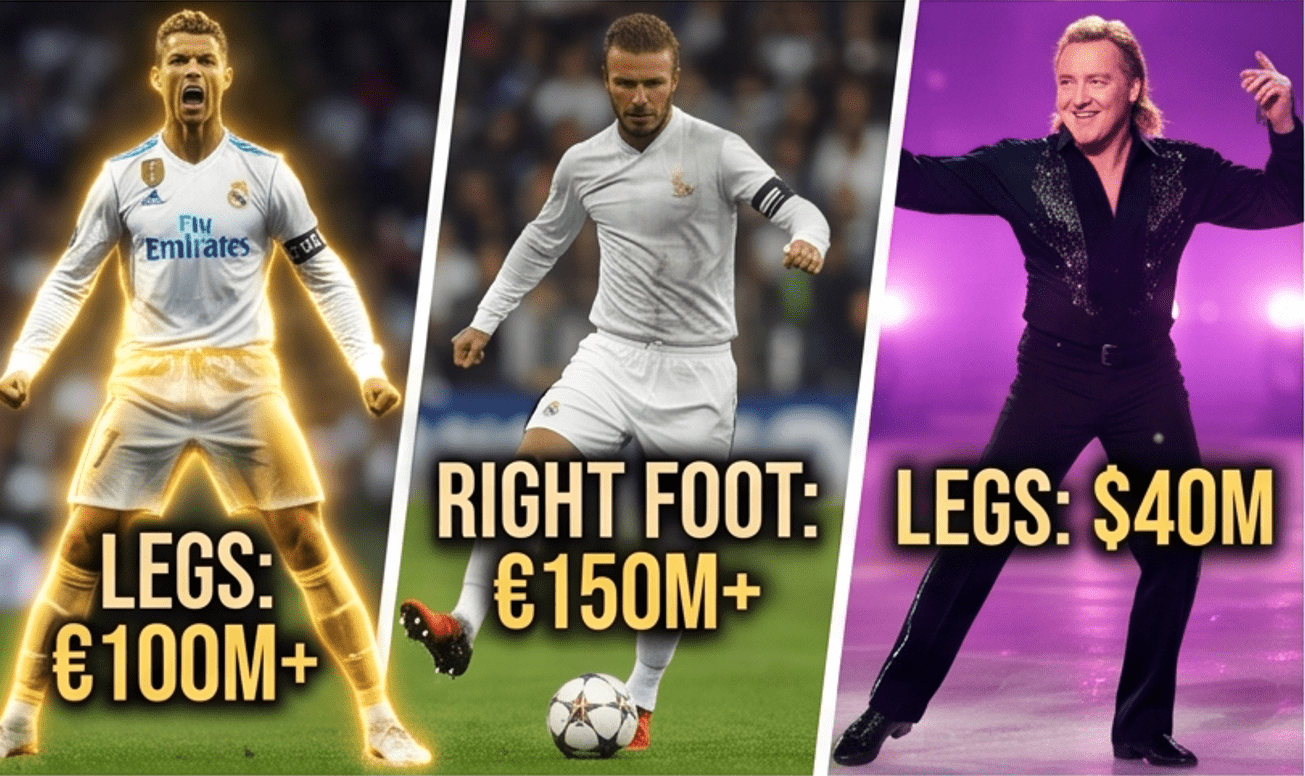
  • Athletes and musicians have the most legitimate need—soccer stars like Cristiano Ronaldo and David Beckham hold confirmed $100M+ leg policies
  • Average cost: Premiums range from $5,000 to $50,000+ monthly depending on coverage amount and risk assessment

What You’ll Learn

  • The exact mechanism behind how celebrity body parts insurance policies pay out
  • Which celebrities have REAL policies vs. publicity stunts
  • How insurers calculate the value of a body part
  • Whether regular people can purchase this coverage
  • The dark side: when insurance becomes pure marketing
  • Expert tips for understanding policy legitimacy

What Is Celebrity Body Parts Insurance?

How does celebrity body parts insurance work as a financial product? Celebrity body parts insurance is a specialized disability income policy that provides financial compensation if a specific anatomical feature—essential to the celebrity’s earning capacity—suffers damage, disfigurement, or loss of function. Unlike traditional disability insurance that covers general inability to work, these policies are surgically precise, covering only the named body part.

According to Jonathan Thomas of Watkins Syndicate at Lloyd’s of London, the market leader in this niche, these policies fall into three categories: true risk transfer for income protection, media-driven promotional arrangements, and employer-sponsored coverage for valuable talent. The key distinction? Real policies require proof of financial loss, while publicity stunts often lack verifiable payout mechanisms.

The concept isn’t new. Silent film comedian Ben Turpin reportedly insured his signature crossed eyes for $25,000 in the 1920s—equivalent to roughly $360,000 today—creating the template for modern celebrity body part coverage.


How Does Celebrity Body Parts Insurance Work? The Complete Process

Understanding how does celebrity body parts insurance work requires examining the entire lifecycle of a policy—from valuation to payout.

Step 1: Risk Assessment and Valuation

Before issuing a policy, insurers conduct exhaustive evaluations. When Heidi Klum’s legs were insured for £1.1 million by a client, she had to visit a London facility where specialists examined her legs for scars, blemishes, and overall condition. Her left leg was valued $200,000 less than her right due to a childhood glass injury.

Dark Side Celebrity Body Insurance Exposed | Fake Policies Revealed

Insurers analyze:
  • Income dependency: What percentage of earnings relies on the body part?
  • Career longevity: How many earning years remain?
  • Injury probability: Risk factors from profession and lifestyle
  • Replacement value: Cost to maintain lifestyle during recovery

Step 2: Policy Structure and Premiums

How does celebrity body parts insurance work financially? These policies typically replace 60-80% of income lost due to the specific injury. Premiums vary wildly based on coverage amount:

Celebrity Body Part Coverage Amount Estimated Annual Premium
Troy Polamalu Hair $1 million $15,000-$25,000
Bruce Springsteen Vocal Cords $6 million $90,000-$150,000
Heidi Klum Legs $2.2 million $35,000-$55,000
David Beckham Legs/Body $195 million $2-3 million
Cristiano Ronaldo Legs $145 million $1.5-2.5 million
Note: Premium estimates based on industry standard rates of 1-1.5% for high-risk entertainment policies

Step 3: The Payout Trigger

For a policy to pay out, the insured must prove:
  1. Direct damage to the named body part
  2. Measurable income loss resulting from that damage
  3. Medical documentation of permanent or temporary impairment

When America Ferrera’s smile was insured for $10 million by Aquafresh, the policy would trigger if dental damage prevented her from fulfilling endorsement obligations—not for any random toothache.

Step 4: Claims Investigation

Lloyd’s of London, which underwrites most celebrity body part policies, employs forensic specialists to verify claims. They investigate whether the injury is genuine, if it truly impacts earning capacity, and whether the celebrity mitigated damages appropriately.


Why Does Celebrity Body Parts Insurance Matter for High Earners?

How does celebrity body parts insurance work to protect fortunes? For celebrities whose earning power depends entirely on specific physical attributes, a single injury can destroy decades of future income.

Consider Cristiano Ronaldo. Real Madrid insured his legs for over €100 million because his ability to play football generated hundreds of millions in salary, endorsements, and club revenue. One career-ending tackle could wipe out nine-figure future earnings.

The same logic applies to musicians. Bruce Springsteen’s $6 million vocal cord policy protects against the loss of his distinctive voice—arguably his most valuable asset after 40+ years of performances. Without those vocal cords, the “Boss” becomes unable to perform his catalog, devastating tour revenue and recording contracts.

For models, the math is equally stark. A facial scar could end a runway career instantly. How does celebrity body parts insurance work in these scenarios? It provides liquidity during recovery and compensation for permanently diminished earning capacity.

What Happens If You Ignore Body Part Insurance?

Celebrities who skip this coverage face catastrophic financial exposure. Without insurance:
  • Soccer players risk losing $50M+ contracts from single leg injuries
  • Singers face career termination from vocal cord nodules or damage
  • Models lose entire income streams from scarring or disfigurement
  • Chefs like Gordon Ramsay—who insured his tongue for $10 million—could lose Michelin stars and TV contracts if taste buds fail

The alternative—self-insuring—requires maintaining massive cash reserves. Most celebrities prefer transferring this risk to specialists like Lloyd’s of London who can spread the exposure across their global syndicate.

Real Example: The David Beckham $195 Million Policy

David Beckham’s body part insurance journey illustrates how does celebrity body parts insurance work at the highest level. Initially, Beckham insured only his legs for approximately $70 million during his playing career. As his brand expanded beyond football into fashion and endorsements, he upgraded to a comprehensive $195 million whole-body policy.

This policy covered:
  • Career-ending injuries from football
  • Disfigurement affecting endorsement value
  • Temporary disability preventing promotional obligations

The policy was so large it required multiple insurers to share the risk—no single company would carry $195 million exposure alone. This demonstrates how celebrity body part insurance scales: as earning power grows, coverage expands proportionally.


Common Mistakes with Celebrity Body Parts Insurance

Mistake 1: Confusing PR Stunts with Real Policies

Many celebrity “insurance” announcements are marketing campaigns. When Head & Shoulders announced Troy Polamalu’s $1 million hair policy in 2010, they generated massive press—but the actual policy details remain murky. What triggers a payout? What are the premiums? These questions often go unanswered.

The Fix: Legitimate policies have clear documentation, specific triggers, and verifiable underwriters (typically Lloyd’s of London).

Mistake 2: Overinsuring for Headlines

Jennifer Lopez has repeatedly denied insuring her butt for $1 billion—a rumor originating from a 1999 tabloid article. Tom Jones famously debunked his $7 million chest hair policy, stating: “I’d shave my own bloody chest hair off for seven million dollars”.

The Fix: Verify claims through official sources. Real policies are documented; fake ones generate buzz then disappear.

Mistake 3: Ignoring the Fine Print

Taylor Swift poked fun at rumors about her $40 million leg insurance by posting a photo of cat scratches with the caption: “NOW YOU OWE ME 40 MILLION DOLLARS”. This highlighted how misunderstood these policies are—minor injuries don’t trigger massive payouts.

The Fix: Policies require career-impairing damage, not cosmetic blemishes or temporary setbacks.

Expert Tips for Understanding Celebrity Body Parts Insurance

  • Tip 1: Follow the Underwriter
    Real celebrity body part policies almost always involve Lloyd’s of London. If you can’t verify Lloyd’s involvement, be skeptical.
  • Tip 2: Check Who Paid
    When a brand (like Aquafresh with America Ferrera or Head & Shoulders with Troy Polamalu) announces the policy, it’s often promotional. When the celebrity pays premiums personally, it’s likely legitimate risk management.
  • Tip 3: Look for Specific Numbers
    Legitimate policies specify exact coverage amounts, deductible equivalents, and waiting periods. Vague “millions” without details suggests marketing fluff.
  • Tip 4: Understand the “Valuation Gap”
    Heidi Klum’s legs weren’t equally valued—her scarred left leg was worth $200,000 less than her right. Real policies account for these nuances.

Celebrity Body Parts Insurance: PR Stunt vs. Real Policy Comparison

Aspect PR Stunt/Marketing Real Insurance Policy
Announced by Brand/PR team Insurance broker or celebrity
Underwriter Unnamed or vague Lloyd’s of London (usually)
Policy details Missing or unclear Specific coverage, exclusions, premiums
Payout mechanism Unknown Documented claims process
Examples J.Lo’s $1B butt (denied), Tom Jones’ chest hair (denied) Beckham’s $195M policy, Ronaldo’s €100M legs
Purpose Media attention Income protection

How Much Does Celebrity Body Parts Insurance Cost?

How does celebrity body parts insurance work from a pricing perspective? Premiums typically run 1-3% of coverage value annually for low-risk body parts, escalating to 5-10% for high-risk categories.
Low-Risk Examples:
  • Smiles/Teeth: $10,000-$30,000 annually for $10M coverage
  • Hair: $10,000-$25,000 annually for $1M coverage
High-Risk Examples:
  • Athlete Legs: $1-3 million annually for $100M+ coverage
  • Vocal Cords: $100,000-$200,000 annually for $35M coverage

Nick Cannon’s 2025 announcement that Dr. Squatch insured his testicles for $10 million represents the newer trend of “body part insurance as marketing”—where the premium is essentially an advertising budget.


Can Regular People Get Body Part Insurance?

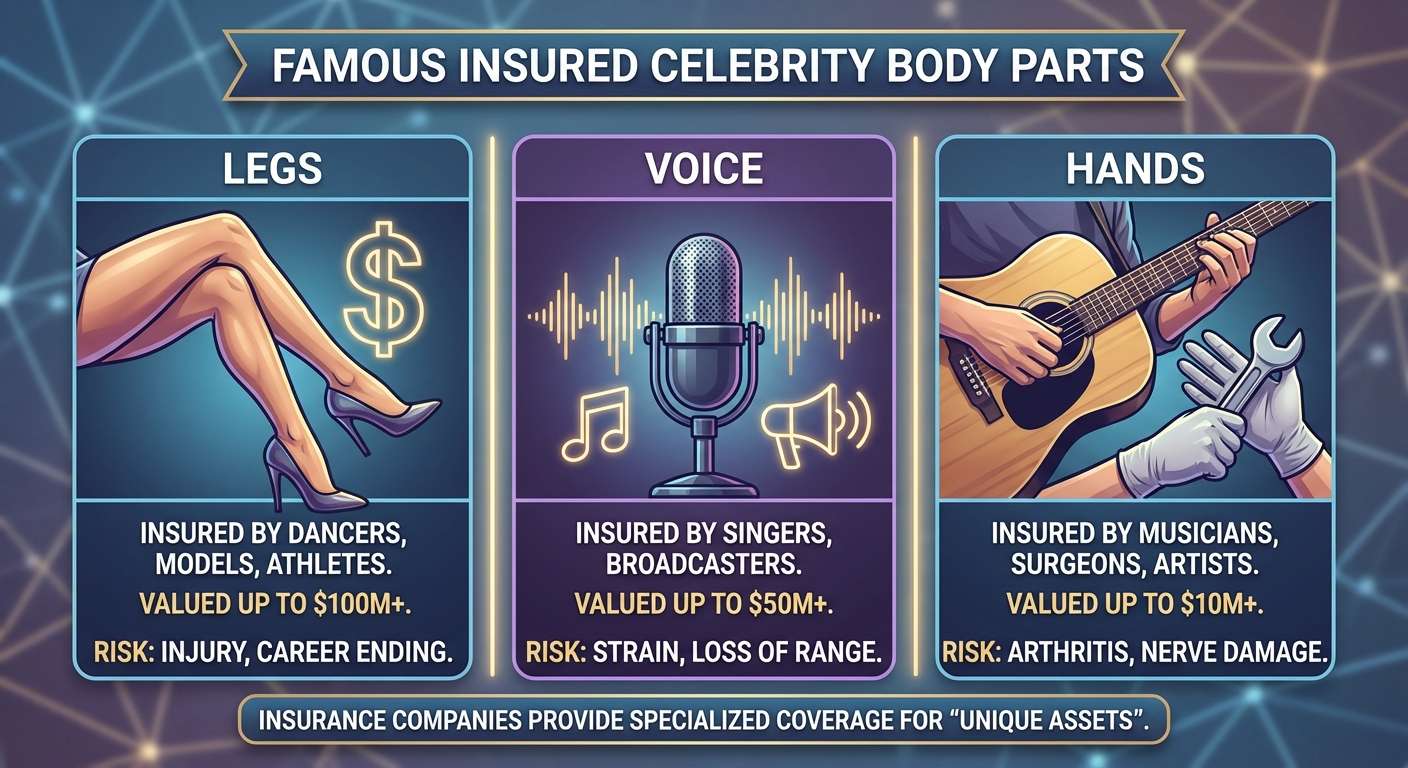
How does celebrity body parts insurance work for non-celebrities? While you can’t walk into State Farm and insure your hands, specialized brokers do offer coverage for specific professions:
  • Surgeons can insure hands essential for operations
  • Pianists can protect fingers critical to performance
  • Chefs can cover taste buds (like food critic Egon Ronay’s $400,000 policy)

  • Hand models can insure against scarring or injury
However, these policies require proving substantial income dependency on the specific body part. A hobbyist pianist can’t insure their fingers; a concert pianist earning $500,000 annually can.

Frequently Asked Questions

What is celebrity body parts insurance?

Celebrity body parts insurance is a specialized disability policy that compensates for lost income if a career-critical body part is damaged or disabled. Unlike health insurance covering medical costs, these policies replace earnings when a specific anatomical feature can no longer generate income. Lloyd's of London has underwritten these policies since the 1920s, starting with silent film star Ben Turpin's crossed eyes.

How does celebrity body parts insurance work?

The process involves four steps: (1) Risk assessment where specialists value the body part based on income dependency, (2) Policy structuring with defined coverage amounts and premiums, (3) Payout triggers activated by proven income loss from specific injury, and (4) Claims investigation verifying the damage and financial impact. Coverage typically replaces 60-80% of lost income during disability.

Why is celebrity body parts insurance important?

For celebrities whose earning power depends on specific physical attributes—like soccer players' legs or singers' vocal cords—a single injury can destroy future income worth hundreds of millions. Insurance transfers this risk, providing financial security if their moneymaking asset becomes disabled. Cristiano Ronaldo's €100 million leg policy protects against exactly this scenario.

How much does celebrity body parts insurance cost?

Premiums range from 1-10% of coverage value annually depending on risk. A $10 million smile policy might cost $100,000-$300,000 yearly, while a $195 million whole-body policy like David Beckham's could run $2-3 million annually. High-risk athletic coverage commands premium rates due to injury probability.

Is celebrity body parts insurance worth it?

What are alternatives to celebrity body parts insurance?

How long does celebrity body parts insurance coverage last?

Policies typically align with earning windows—athletic policies expire at projected retirement age, while performer coverage may extend longer. Mariah Carey's $70 million voice and legs policy was tour-specific, covering only the duration of her concert series.


Conclusion: The Reality Behind the Headlines

Now you understand how does celebrity body parts insurance work—and why the truth is more nuanced than tabloid headlines suggest. While celebrities like David Beckham ($195M), Cristiano Ronaldo (€100M+), and Bruce Springsteen ($6M voice) hold legitimate policies protecting real income streams, many “insurance” announcements are clever marketing dressed as risk management.

The key differentiator? Legitimate policies involve Lloyd’s of London, specific coverage terms, and documented premium payments. PR stunts involve vague promises, brand announcements, and no verifiable underwriter.
For celebrities whose physical attributes generate nine-figure incomes, body part insurance isn’t eccentricity—it’s essential financial planning. For the rest of us, it remains a fascinating glimpse into how the ultra-wealthy protect what makes them money.
What’s your take? Are these policies smart risk management or celebrity excess? Drop a comment below and share this article if you found it shocking!

Leave a Reply

Your email address will not be published. Required fields are marked *